
UX

The Death of the Click: How Scrolling Took Over the Web

The Death of the Click: How Scrolling Took Over the Web

Remember clicking? That sharp, deliberate action where you made a choice, committed to a path, and opened the next door in the digital house? Yeah—clicking is dead. Or at least dying.Slowly, awkwardly
Ultimate UX Design Guide to SaaS On-Boarding, Part 1: Sign-up Forms

Ultimate UX Design Guide to SaaS On-Boarding, Part 1: Sign-up Forms

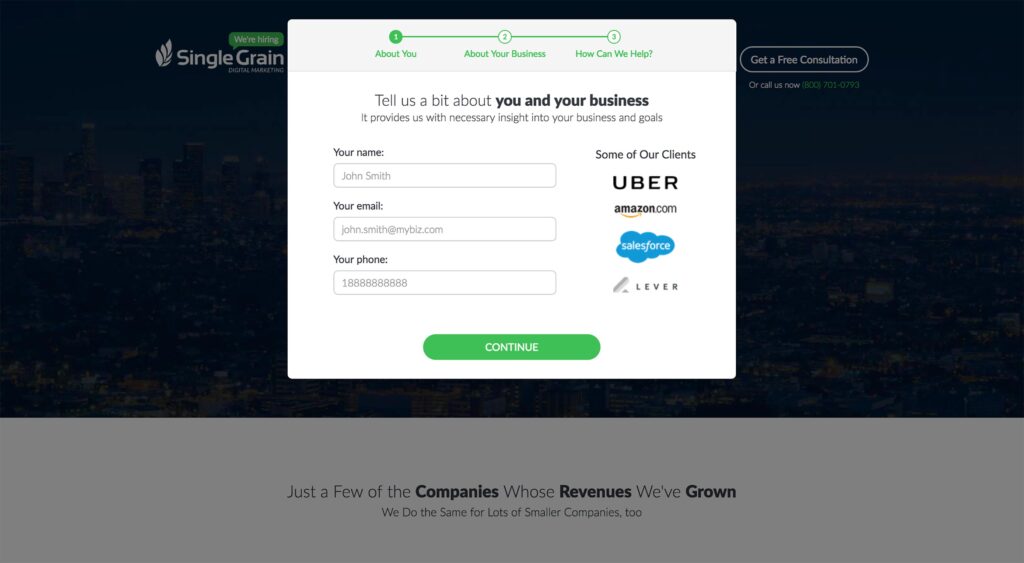
SaaS Customer On-boarding is the process that users have to experience while initiating their journey as a customer on a company’s software application. Customer on-boarding initiates from the experie

How to Balance Information Density in Web Design

How to Balance Information Density in Web Design

Information density is the amount of information in the form of content that a site visitor is greeted with as soon as he lands on a website or webpage.The greater the information density, the greater

5 Ways to Design for a Local Audience

5 Ways to Design for a Local Audience

Needless to say, global web design needs to be greatly simplified and neutralized in order to appeal to a broader audience.Now, local design techniques, on the other hand, require much more attention

4 essential elements of successful UX design

4 essential elements of successful UX design

When you consider the success stories of the internet age, you could be forgiven for believing that luck has been the deciding factor. Amazon, for example, is a retail company whose launch coincided w

6 Reasons to Adopt a Long-Form Content Strategy

6 Reasons to Adopt a Long-Form Content Strategy

Recently I have encountered more and more people asking for one specific thing: words, and lots of them. No, truly, I mean a lot of them. They want long-form content: articles that go from 2,000 to 5,

Prototyping for the web with Framer

Prototyping for the web with Framer

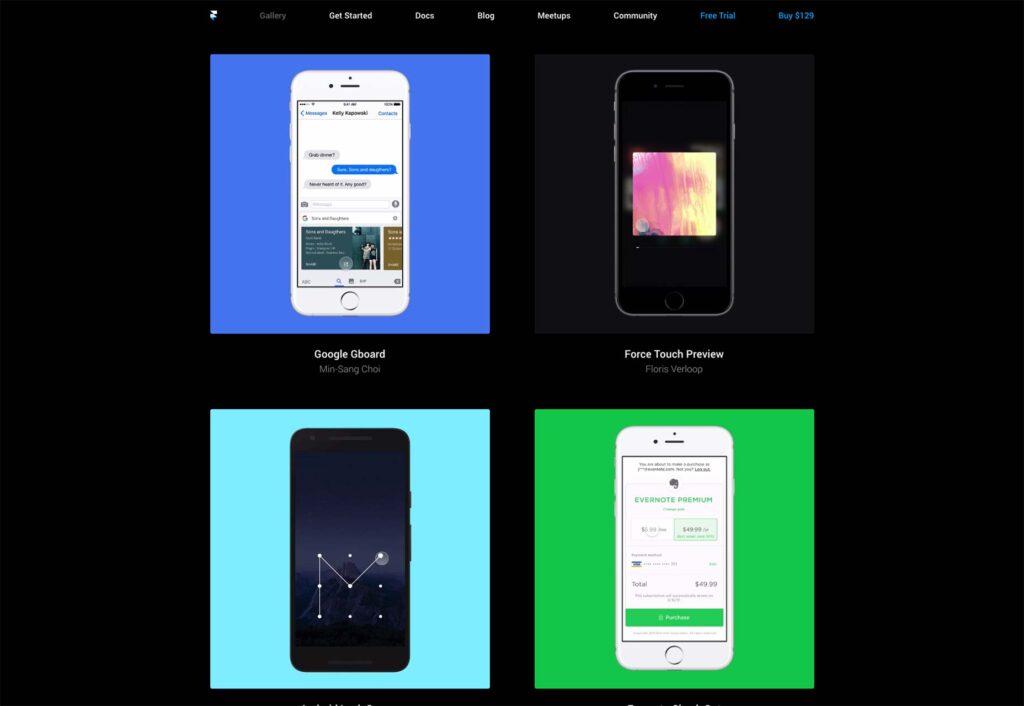
Framer is a really powerful tool that can prototype anything you can think of but if you take a look at Framer’s Gallery you’ll quickly notice something:Out of their 54 examples, 48 of them are apps,

Designing for the 1%: Why Edge Cases Aren’t Optional

Designing for the 1%: Why Edge Cases Aren’t Optional

Let’s talk about the other users. Not your typical, scroll-happy, ideal-case personas.I’m talking about the people who use Internet Explorer 11 in 2025. The ones who type their name in all caps with s

Psychology in Web Design: How to Use it Right

Psychology in Web Design: How to Use it Right

We all know that psychology is a powerful tool. When used correctly, it can influence and persuade people to take action. In the world of web design, this is extremely important.If you want to create

5 psychology rules every UX designer must know

5 psychology rules every UX designer must know

Experience-based design…if that’s how you define your work as a designer, it might be a good time to reevaluate your approach.Now, there’s nothing wrong with being an experienced designer; your experi

12 UX rules every designer should know

12 UX rules every designer should know

“User experience” is a broad term that gets bandied around at meetings and swapped with “user interface” as if the two are the same—they’re not. This confusion has probably affected your career as UX

11 Secrets of Actionable UX Reports

11 Secrets of Actionable UX Reports

When designers and developers work on projects, they have a lot of questions: What do our users expect to see on this screen? How are users supposed to interact with our product? What should our onboa