Every great product starts like a love story. You fall for it fast. It’s clean. It’s simple. It just gets you. The buttons are where you expect, the features feel made for humans, and the copy is so friendly it could hug you.
Then, one morning, you open it again — and it’s unrecognizable. There’s a “Try Premium” banner that won’t go away. The layout changed overnight. The features you used daily now hide behind paywalls. You spend five minutes just trying to do what used to take five seconds.
That’s not bad luck. That’s enshittification — the gradual process of a product selling its soul, one UX decision at a time.
The Lifecycle of Digital Rot
Cory Doctorow’s definition is dead simple:
- Platforms start off good to users.
- Then they get worse to make business customers happy.
- Finally, they screw over everyone to feed shareholders.
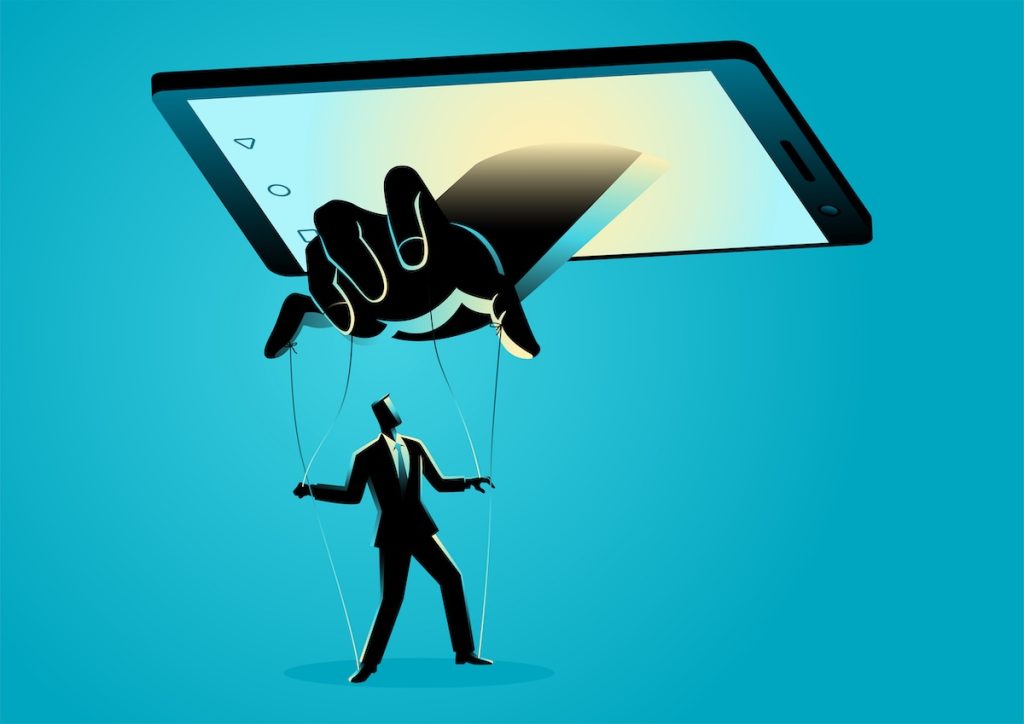
What he didn’t spell out is who actually does the screwing over. Spoiler: it’s not the boardroom. It’s us — designers, PMs, engineers — the people who execute “just one more growth experiment.”
That “small change” to increase engagement? That’s where it begins. A new autoplay feature here, a “you might also like” section there. No one means harm — it’s all in the name of “improving the user experience.” Until one day, that same experience has been optimized into oblivion.
UX: The Gentle Hand That Pushes You Off a Cliff
Designers don’t wake up thinking, “Let’s manipulate millions today.” But we’re trained to worship the numbers.
Spotify’s team probably didn’t set out to enrage users by forcing its AI DJ and “new experience” feed on them. But when retention dips, the algorithm wins. So design bends — again. Suddenly, your once-minimal music app looks like TikTok with guitars.
Instagram didn’t mean to betray photographers. But the data said Reels perform better, so photos were quietly buried. The irony? The app that made simplicity cool now looks like a slot machine that screams “LOOK AT ME” in every direction.
And Airbnb? It used to feel like staying in someone’s quirky home. Now it feels like paying a corporate host $400 to strip your bed and take out the trash. The UI reflects that shift — fewer humans, more transactions.
The Design of Betrayal
Enshittification always starts with good intentions. Someone adds a “nudge” to increase engagement. Someone tests a new upsell modal. Someone “simplifies” the UI by hiding the unsubscribe link under three layers of gray.
Before you know it, the product is a maze of dark patterns designed to extract time, attention, and money — not provide value.
Reddit’s redesign was a masterclass in this. It took a rough but honest site and turned it into a mobile-first content mine. Everything’s cleaner, smoother, friendlier — and just a bit more manipulative. The product didn’t evolve; it conformed to the engagement economy.
And when users rebelled, what did Reddit do? It doubled down. That’s the final stage of enshittification: when companies stop pretending to care what you think.
The Aesthetics of Enshittification
There’s a distinct look to enshittified design. You can spot it instantly:
- Huge “Continue” buttons that lead to upsells.
- Microscopic “No thanks” text in 30% opacity gray.
- A homepage that screams “Look how much we care” — while quietly stealing your data.
- Endless scrolls that treat your attention as a harvestable crop.
It’s the aesthetic of infinite growth wrapped in soothing pastels. The kind of UI that feels calming while it robs you blind.
Even Figma — the darling of the design world — isn’t immune. What began as a refreshing, community-driven design tool now pushes AI integrations, plug-in monetization, and corporate lock-ins. The community space that once empowered creatives now feels increasingly commercial — enshittification with a gradient.
Designers: The Middle Managers of Digital Decay
Let’s stop pretending: we built this mess. We made the “accept all cookies” modals that train people to click blindly. We made the onboarding carousels that sell tracking as “personalization.” We made the deceptive free trials that bill you after seven days.
Designers love to talk about empathy, but empathy without boundaries is just obedience. Every time we said “I don’t make business decisions, I just execute them,” we handed our craft to people who don’t care about users at all.
The Day Design Loses Its Sou
You can feel the moment it happens. You’re in a meeting. Someone suggests a feature you know will make the product worse, but it’ll increase retention by 2%. You hesitate, then tell yourself, “It’s not my call.”
That’s the day you stop being a designer and start being a decorator for capitalism.
And yet — it’s understandable. No one gets promoted for saying no. No one gets applause for protecting the user from the company. But that’s exactly what ethical design should be: a form of quiet rebellion.
The Business Case for Ruining Everything
Here’s the sick joke: enshittification is good business. It really does boost engagement. It really does make money. Until, of course, users leave.
Facebook enshittified itself into irrelevance. Twitter enshittified itself into X. Netflix is halfway there, swapping curation for algorithmic sludge. You can almost watch it happen in real time — the slow death of platforms that once inspired trust.
The internet doesn’t die from lack of innovation. It dies from death by optimization.
The Unenshittification Playbook
There’s a way out — but it’s slower, quieter, and less profitable.
- Design for trust, not traps. If users have to guess what’s real, you’ve already lost.
- Stop treating friction as failure. Sometimes the best UX is the one that lets people leave easily.
- Prioritize dignity over data. Just because you can track it doesn’t mean you should.
- Say no more often. You’ll be unpopular in meetings. You’ll sleep better at night.
The future of design isn’t more personalization, more AI, or more “engagement.” It’s honesty. Simplicity. Interfaces that respect the user’s time and attention as something sacred — not something to monetize.
The Final Irony
Enshittification is designed — methodically, beautifully, professionally. It’s not chaos. It’s craftsmanship in service of greed.
And that’s why designers are the only ones who can undo it.
Because if we can design the rot, we can also design its cure.
We can build tools that don’t manipulate. Products that don’t betray. Platforms that stay good even when they grow.
It just takes one uncomfortable word in a meeting: “Why?”
That’s how enshittification starts — and how it ends.