

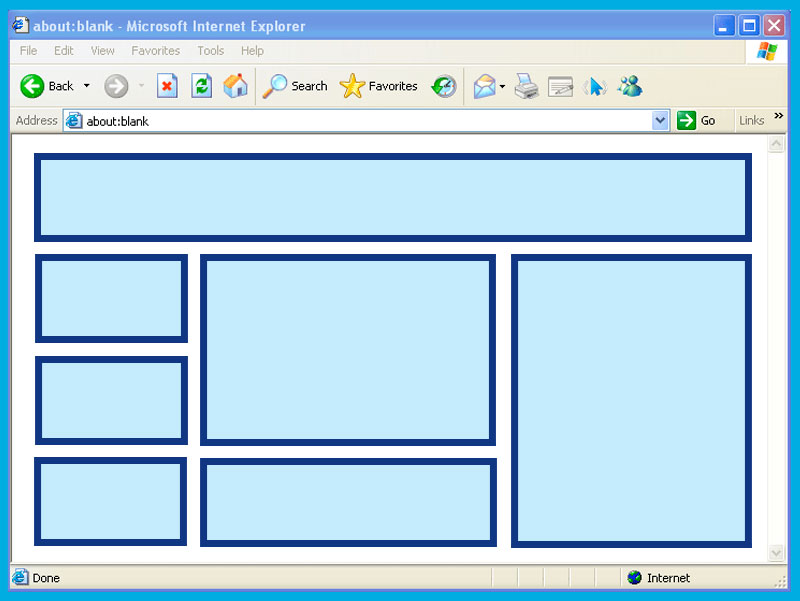
Ah, the humble HTML table. Once the crown jewel of web design, now a relic that makes modern developers roll their eyes and mutter, “Not this again.”
For those who lived through the early internet days, tables were everything.
They weren’t just for organizing data—they were the web designer’s duct tape, scaffolding, and blank canvas. Nested tables? Oh, that’s where the magic (or madness) happened.
Grab your coffee (or therapy cat); we’re diving into the wild world of tables.
A Brief History: When Tables Ruled the Web
Back in the ’90s, CSS wasn’t the stylish, responsive powerhouse it is today. Instead, web designers had one tool to bring order to the chaos of the web: tables. Need a multi-column layout? Use a table. Want pixel-perfect alignment? Add a table inside a table! Fancy a header bar? That’s right, table time.
Developers built sites like Russian nesting dolls, stuffing tables within tables within tables. It was a symphony of Sure, your HTML ended up looking like the blueprint for an IKEA bookshelf, but it worked! Mostly. Sometimes. Until you had to debug it. Ah, nested tables—a concept so notorious, it might as well come with a warning label: “Abandon hope, all ye who enter here.” Let’s say you had a simple layout idea. Easy, right? But by the time you finished nesting tables for your header, sidebar, footer, and “fun, animated GIF section,” your HTML looked like it had been possessed by a rogue AI. Forget styling; you needed a PhD in archaeology just to locate that one rogue Modern devs with their fancy flexbox and grid don’t know the struggles. Nested tables were the original escape rooms of web design. If you could debug a deeply nested table layout in under an hour, you deserved a medal—or at least a drink. Now let’s talk aesthetics. Table borders were an art form. Should you go for solid or dashed? One pixel or three? Fancy double borders? Oh, the possibilities were endless. Of course, if you wanted something truly avant-garde, you’d color each cell differently. Sure, it made your website look like a clown threw up on it, but boy, was it bold. Pro tip from 1998: if your table wasn’t working, just add The arrival of CSS was a bittersweet moment for tables. Suddenly, tables weren’t needed for layout anymore. They were unceremoniously dumped into the “data-only” corner of HTML. Flexbox and Grid swept onto the scene like rockstars, making layout design intuitive and responsive. But tables weren’t bitter. Oh no. They just quietly sat in the corner, waiting for the next poorly designed email template to drag them back into the spotlight. Don’t call it a comeback—they never left. Sure, they’re not the layout workhorse they once were, but tables are still essential for displaying data. Try using flexbox for a spreadsheet. Go ahead, we’ll wait. Tables know their worth. And nested tables? They’re like the eccentric uncle at a family reunion—rarely seen, deeply confusing, and the source of stories that will haunt you forever. Tables may not be trendy, but they’re reliable. They’ve been there for us, through Geocities and beyond. They’ve taught us patience, problem-solving, and how to cry quietly at 2 a.m. while fixing a broken layout. So, let’s pour one out for the humble table. You were the unsung hero of early web design, and for that, we’ll always respect you. Just… maybe stay away from nesting, okay?
At first glance, it looks like the start of a quirky children’s book or a line from a failed Dr. Seuss draft.But “The quick brown fox jumps over the lazy dog” is more than just a weird sentence with o
Have you ever had a customer from hell? The kind of customer who abuses you, spending as little as they possibly can while trying to squeeze as much free work out of you as possible?You’re not alone.A
For those of you working from home right now (willingly or unwillingly), you can’t allow your surroundings to have an effect on your work and, more importantly, your client relationships. Clients don’
Today, I want to look at where the term came from, what it refers to today, and why it’s something that all of us in business, marketing, and web design should be thinking about.What Is The Independen
The term ‘usability hygiene’ was firstly introduced by Google in the context of the basics that need to be addressed in order to prevent user frustration.In this article we will look at six key areas
The purpose of almost every web design is to entice customers into buying your products, or subscribing to your services. However, your website can’t accomplish that goal without providing a superior
Affordances in design are important to usability and function. They’re one of the components of design that have to come together to provide an impeccable user experience. To understand exactly what m
Web design is not merely an exercise in aesthetics; it is a blend of art and science where psychology plays a crucial role. Understanding how users think, perceive, and behave online allows designers ,
, and . Nested Tables: The Russian Doll of Nightmares
that was causing your layout to implode. The Art of Table Borders
border="1". It didn’t solve anything, but at least you could see the chaos you created.Tables vs. CSS: The Great Breakup
Tables Today: The Comeback Kid
In Conclusion: A Love Letter to Tables
You May Like

The Curious Tale Behind “The Quick Brown Fox Jumps Over the Lazy Dog”

5 clients that will destroy your design business

5 Tips for Working with Clients When You’re at Home

What Is The Independent Web And Does It Matter?

6 Ways to Make Usability Hygiene Work for You

3 Tips for Creating a Effective User Flow
How to perfect UX with design affordances

Key Psychological Principles in Web Design: A Deep Dive